
Your bookings are blinding you.
The bookings are coming in and the calendar looks healthy. By every visible measure, things are working. This article is for people who feel exactly like that.
There are three things most luxury holiday let owners have never calculated, but once you see them, you can't unsee them.
A quick note before we get into it: Online Travel Agents (OTAs) are platforms like Airbnb, Booking.com, and Expedia. For ease, I'll refer to Airbnb throughout this article but everything here applies equally to all of them.
One:
The cut Airbnb takes on your best nights.
Let's be honest… Airbnb works. It fills calendars with relatively little effort, and there's a reason most owners rely on it. This isn't an argument to switch it off overnight.
But there's a number most owners have never actually calculated. And once you see it, it's hard to ignore.
The cut Airbnb takes on every booking is easy to overlook when it's just a percentage, but it's much harder to ignore when it's an actual number.
Take a luxury holiday let at £800 a night with around 50% occupancy - a fairly typical picture for a high-end UK property. That's roughly £145,000 in annual revenue. At 15-20% commission, somewhere between £22,000 and £29,000 of that goes straight to Airbnb. You just don’t notice because it’s gone before it ever reaches you.
Imagine if, instead of taking their cut quietly from every booking, Airbnb sent you an invoice for that at the end of the year like a tax bill. How would it feel to sit down in January and write them a cheque for £20K? £30K? More…?
Because that's genuinely what's happening. You just don't feel it because the money leaves before it arrives.
And it's not spread evenly. Airbnb isn't just taking 15-20% from your quiet November midweeks. It's taking it from everything: your best summer weeks, the bank holidays that sell out in hours, the Christmas slots you could fill in your sleep. The better your property performs, the more leaves the business.
Something worth remembering: the platform didn't do any of the things that actually made a guest choose your property. It didn't style the interiors, shoot the photos, or earn those five-star reviews. It put your listing in front of someone who was already looking (alongside thousands of your competitors btw), and took 20% for doing so. How kind of them.
If you want to see your actual number across your real revenue, I built a Platform Tax Calculator for exactly this.
Two:
The guests the platforms aren’t finding.
Here's something most owners accept without questioning: the calendar fills at weekends, but Tuesday to Thursday is harder. Outside of school holidays especially, midweek slots are the last to go. Most owners have just put up their weekend prices to compensate and moved on.
But the midweek guest exists. According to Sykes Holiday Cottages' 2025 market data, 40% of UK holiday let bookings are now for short breaks (stays of less than a week, including midweek trips), up 8% in a single year. And filling a slot with two shorter stays rather than one week-long booking can generate up to 178% of what that single week would have earned. So the midweek opportunity isn't just about filling gaps, it's about earning more from them.
The demand is there. The problem is where those guests are and how they're being reached.
The guest who takes a midweek break doesn't start their Tuesday on Airbnb. They start it on Instagram or Facebook, watching a reel that makes them think “actually, we could really do with getting away.” That's an inspiration moment, and you can't buy it through a platform listing.
For larger luxury properties especially (the five and six-bedroom houses that only make financial sense when a group fills them), the midweek opportunity is very specific: multi-generational families with grandparents who are fully flexible on days and parents of under-fives who aren't tied to school term dates. Or extended families trying to get everyone in the same place. These are exactly the people who could fill a big property on a Wednesday in October. They're out there… they're just not being spoken to.
Platforms wait for guests who are already searching. They will never go out and find the guests who are waiting to be inspired.
Three:
The guest relationship you’re giving away.
Here's the part that doesn't show up on any statement.
When a guest books through Airbnb, Airbnb owns that relationship. They have the email address, the booking history, and the ability to remarket to that guest for every trip they ever take in future.
The booking lands in your calendar, but everything that makes that guest valuable long-term (their contact details, their preferences, their likelihood to return or recommend you) belongs to the platform, not you.
That guest who left a glowing five-star review and said they'd love to come back? If they return through the platform, you pay commission again. If they tell a friend who books through Airbnb, you pay commission again. Every time. Because the relationship was never yours to keep.
Think about the last time you booked directly with a hotel. They had your email address, they followed up after your stay, they remembered your preferences, and when the next season came around they offered you a returning guest rate before you'd started looking elsewhere. That direct relationship is worth far more than a single booking - and it's exactly the relationship Airbnb is currently having with your guests on your behalf.
Every year you're platform-dependent, you're not building any of that. No email list, no booking history, no way to reach the right people before they start searching elsewhere. You're starting from scratch with every booking cycle, paying to reach the same type of guest over and over again.
What happens when you fix all three at once.
The difference between a platform-dependent property and a direct-booking one isn't just what they earn this year, but what they build over time.
Direct bookings compound over time by adding guests to a list you own. And every time they return or refer a friend, it costs you nothing. That builds something platforms can never give you: an audience of people who already love your property, reachable for free, forever.
And ask yourself honestly: if Airbnb disappeared tomorrow, would you have a business? If the answer makes you uncomfortable, that's worth paying attention to.
Building that direct relationship means content: photography and video that captures what a stay actually feels like, a social presence that reaches people before they start searching, and paid content that sends them directly to a booking page you own. When those pieces are in place, the guest list grows, the commission stays with you, and the gaps start filling with exactly the right people.
What this looks like in action.
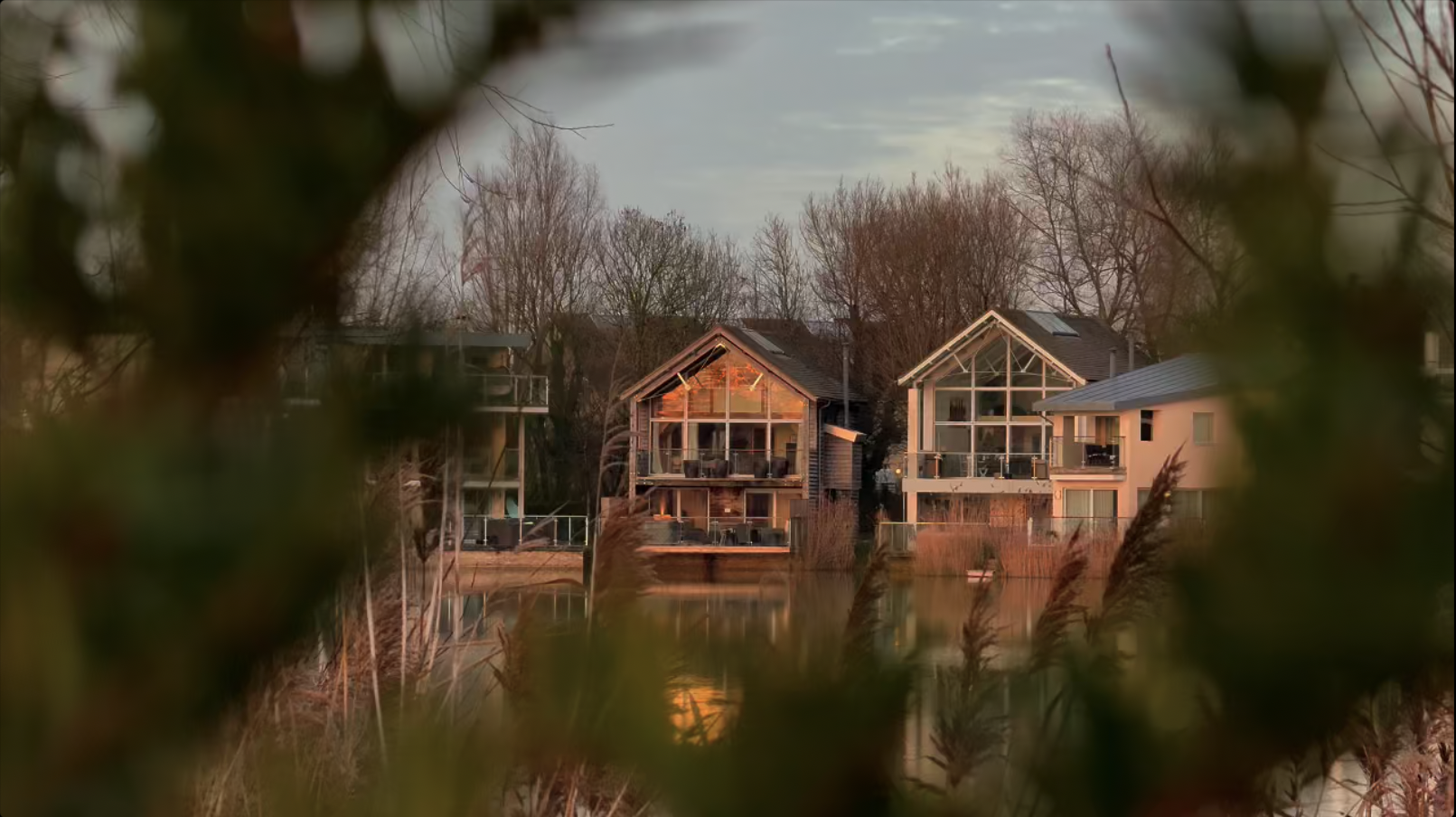
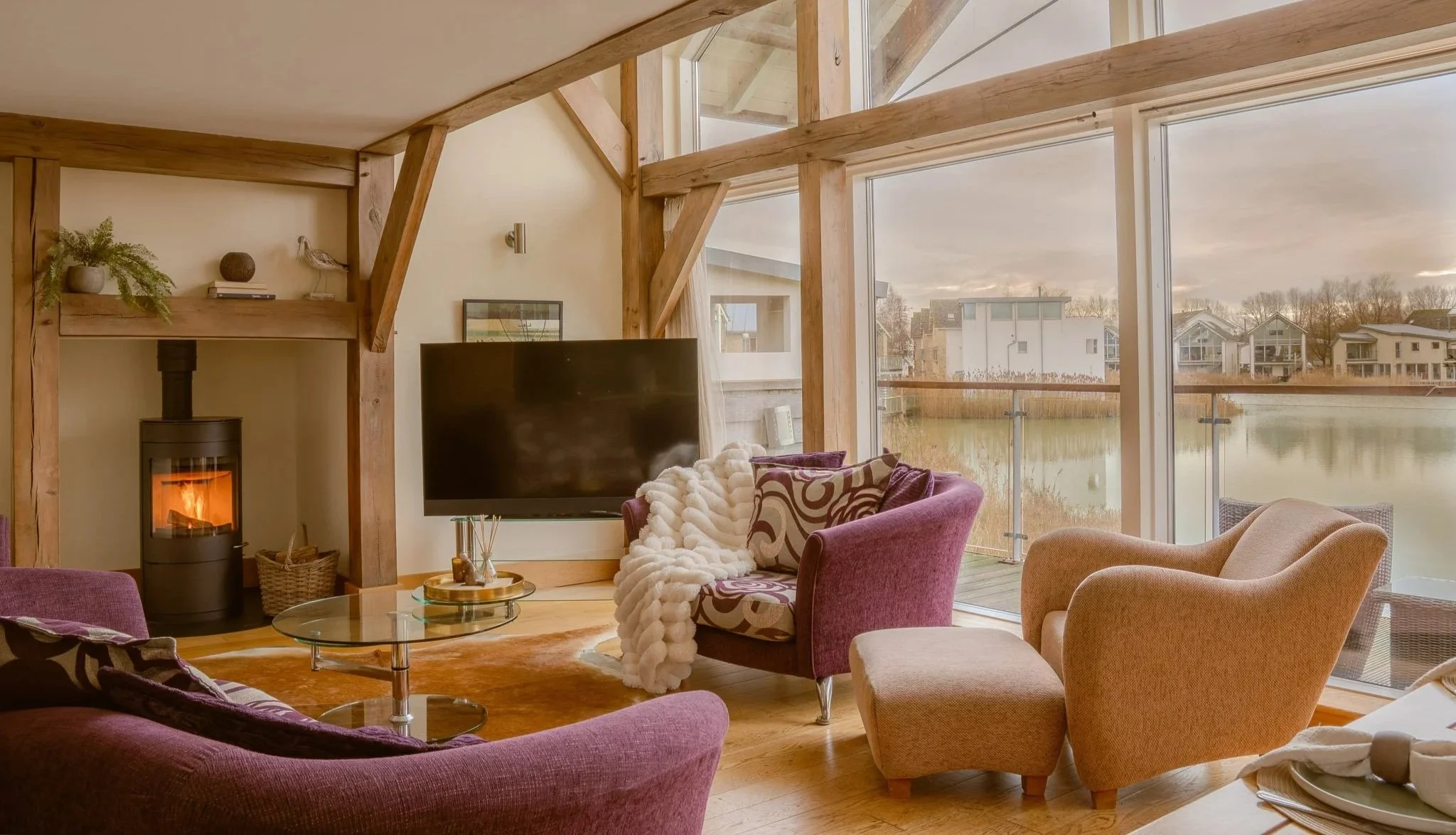
Otters Holt is a luxury lakeside property in the Cotswolds. Beautiful property, great reviews, and the same pattern that most UK luxury holiday lets share: strong weekends, platform-dependent bookings, and midweek slots that were harder to shift.
We built a content and direct booking strategy around it using images and video that told the story of what a stay there feels like, a social presence aimed at the right audience, and paid content designed to reach people before they started looking elsewhere.
The leads came in at £0.04 per lead, there was a 78% increase in bookings year on year, and the week-long stays started coming in. You can view the whole case study here.
Now you’ve seen it, you can’t unsee it.
Three things: the commission leaving before it arrives; the guests who are waiting to be inspired but never reached; the relationships being handed to a platform with every booking.
None of them feel urgent when the calendar looks healthy, which is exactly why most owners never fix them.
But they're fixable - and fixing them changes what the business earns, not just what it turns over.
So where do you start? We've put together a free guide that breaks down exactly how to begin shifting from platform-dependent to direct so you can start building something that you own.